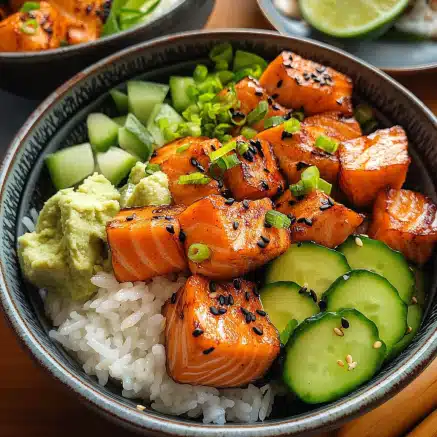

Japanese Katsu Bowls with Tonkatsu Sauce are a delightful culinary creation that brings the bold flavors of Japan directly to your dining table. This dish consists of crispy breaded pork cutlets served over a bed of rice, drizzled with savory tonkatsu sauce. The combination of textures and flavors makes it an absolute crowd-pleaser. Whether you’re cooking for a family gathering or treating yourself to a special dinner, this dish is bound to impress.
The beauty of Katsu Bowls lies not only in their taste but also in their versatility. You can easily modify the recipe to suit your preferences by choosing different proteins or adding vegetables. Moreover, Katsu Bowls are not just delicious but are packed with nutrients, making them a well-rounded meal for anyone.
If you’ve never tasted a Japanese Katsu Bowl, you’re in for a treat. The crispy exterior of the cutlet contrasts beautifully with the fluffy rice beneath it. Meanwhile, the tangy and sweet tonkatsu sauce elevates the entire dish. In this guide, we will explore why you’ll love this recipe, provide you with preparation and cooking times, and list all the ingredients you’ll need. Most importantly, you’ll receive easy-to-follow step-by-step instructions that will lead you to create an unforgettable culinary experience. Get ready to dive into the flavorful world of Japanese cuisine!
Why You’ll Love This Recipe
Japanese Katsu Bowls with Tonkatsu Sauce stand out for numerous reasons that will make you adore this recipe:
1. Bold Flavors – The delicious combination of crispy pork and tangy tonkatsu sauce is simply irresistible.
2. Customizable – You can easily swap pork for chicken or tofu, catering to different dietary needs.
3. Quick Meal – The preparation and cooking time is relatively short, making it ideal for weeknight dinners.
4. Crispy Texture – The iconic crispy breading adds a wonderful crunch that complements the softness of the rice.
5. Perfect for Leftovers – The dish can be reheated well, making it suitable for meal prepping.
6. Nutritional Value – A fantastic way to introduce lean protein and fresh vegetables into your diet.
With all these enticing reasons to prepare this dish, you’ll quickly understand why Japanese Katsu Bowls with Tonkatsu Sauce have gained popularity beyond Japan!
Preparation and Cooking Time
In total, making Japanese Katsu Bowls will take approximately 40-50 minutes. Here’s a breakdown of the time you can expect:
– Preparation Time: 15 minutes
– Cooking Time: 25-30 minutes
– Resting Time (for the meat): 5 minutes
These times may vary based on your cooking skills and equipment, but this guideline should help you plan your meal effectively.
Ingredients
– 2 cups Japanese short-grain rice
– 4 boneless pork chops or chicken breasts, pounded thin
– 1 cup panko breadcrumbs
– ½ cup all-purpose flour
– 2 large eggs
– Salt and pepper, to taste
– Vegetable oil, for frying
– ½ cup tonkatsu sauce
– Optional toppings: sliced green onions, pickled ginger, or sesame seeds
Step-by-Step Instructions
Creating a delicious Japanese Katsu Bowl with Tonkatsu Sauce is straightforward if you follow these steps:
1. Prepare the Rice: Rinse the short-grain rice under cold water until the water runs clear. Cook the rice according to package instructions or use a rice cooker for convenience.
2. Prepare the Pork: Lay out the pork chops. Season them with salt and pepper on both sides.
3. Set Up Breading Station: In one bowl, place the all-purpose flour. In a second bowl, beat the eggs. In a third bowl, add the panko breadcrumbs.
4. Bread the Pork: Dredge each pork chop in the flour, shaking off excess. Next, dip into the beaten eggs, and finally coat with panko breadcrumbs, pressing lightly to adhere.
5. Heat the Oil: In a large skillet, heat about ½ inch of vegetable oil over medium heat until shimmering.
6. Fry the Pork: Carefully place the breaded pork chops into the skillet. Fry for about 3-4 minutes on each side, or until golden brown and cooked through. Adjust heat as needed to avoid burning.
7. Drain Excess Oil: Once cooked, transfer the pork cutlets to a plate lined with paper towels to drain excess oil.
8. Let Rest: Allow the cutlets to rest for about 5 minutes before slicing. This helps retain moisture.
9. Prepare the Bowls: Fluff the cooked rice and divide it into serving bowls.
10. Slice the Pork: Cut the pork cutlets into strips and lay them over the rice.
11. Add the Sauce: Drizzle tonkatsu sauce generously over the pork, allowing it to seep into the rice.
12. Garnish: If desired, top your Katsu Bowl with sliced green onions, pickled ginger, or sesame seeds for an added flavor boost.
How to Serve
Japanese Katsu Bowls with Tonkatsu Sauce can be a delightful centerpiece for any meal. Here are some tips on serving this dish effectively:
1. Presentation: Use colorful bowls or plates to showcase the layers of rice and pork. The vibrant sauce makes for an eye-catching presentation.
2. Accompaniments: Consider pairing your Katsu Bowl with sides like miso soup or a fresh salad for a well-rounded meal.
3. Beverage Pairing: Match your meal with Japanese green tea or an ice-cold Asahi beer for a refreshing contrast.
4. Customizations: Allow guests to garnish their bowls with additional toppings like shredded cabbage or sliced cucumber to enhance flavor and texture.
5. Comforting Atmosphere: Serve in a relaxed setting where everyone can enjoy their bowls together, making it a comforting and communal dining experience.
By following these serving suggestions, you are sure to create a memorable and enjoyable meal for everyone at the table. Enjoy your culinary journey with Japanese Katsu Bowls with Tonkatsu Sauce!
Additional Tips
– Use Fresh Ingredients: High-quality cuts of pork and fresh vegetables ensure the best flavors and textures in your Katsu Bowls.
– Experiment with Seasonings: Feel free to add garlic powder or paprika to the flour for additional flavor in the breading.
– Crispiness Matters: Ensure the oil is hot enough before frying to get that perfect crispy texture. Use a thermometer if you have one for precision.
– Serve Immediately: For the best experience, serve the Katsu Bowls right after assembling. This keeps the cutlet crispy and the rice warm.
Recipe Variation
Have fun customizing your Japanese Katsu Bowls with Tonkatsu Sauce! Here are some ideas to inspire you:
1. Vegetarian Option: Substitute the pork with eggplant or portobello mushrooms. Bread and fry them just like you would with meat for a delicious vegetarian alternative.
2. Spicy Kick: Mix some sriracha or chili oil into the tonkatsu sauce for a spicy twist that adds an exciting element to the dish.
3. Rice Alternatives: Instead of white rice, try using brown rice or cauliflower rice for a healthier twist that still captures the essence of Katsu Bowls.
4. Loaded Bowls: Add sautéed vegetables such as bell peppers, broccoli, or carrots on top of the rice for added nutrition and flavor.
Freezing and Storage
– Storage: Keep leftover Katsu Bowls in an airtight container in the refrigerator. They will stay fresh for up to 3 days.
– Freezing: You can freeze the cooked pork cutlets separately from the rice for up to 2 months. Reheat the cutlet in the oven or an air fryer for optimal crispiness.
Special Equipment
Here are some handy tools that can make preparing your Katsu Bowls easier:
– Skillet or Frying Pan: A large skillet is ideal for frying the breaded cutlets to achieve that perfect golden brown.
– Rice Cooker: For fuss-free cooking, a rice cooker can make preparing your rice a breeze.
– Thermometer: Using a kitchen thermometer helps control oil temperature and ensure perfect frying results.
– Cutting Board and Sharp Knife: Essential for slicing your pork cutlets into perfect strips for serving.
Frequently Asked Questions
How do I ensure my breaded pork stays crispy?
To maintain crispiness, fry your cutlets immediately after breading, and don’t overcrowd the pan.
Can I use panko breadcrumbs made from whole grain?
Absolutely! Whole-grain panko gives extra crunch and can enhance flavor without sacrificing texture.
Is tonkatsu sauce vegan?
Some tonkatsu sauces contain fish sauce, so always check the ingredient label. However, you can find vegan-specific tonkatsu sauce options at many Asian markets or online.
How can I reheat leftovers without losing the texture?
Reheat your Katsu in an oven or air fryer at a low temperature to crisp the outer layer once again. Avoid using a microwave, as it will make the breading soggy.
Can I prepare the pork in advance?
Yes, you can bread and refrigerate the pork in advance. Just fry it right before serving for the best texture.
Conclusion
Japanese Katsu Bowls with Tonkatsu Sauce are not only a feast for the eyes but also a deliciously satisfying meal. With a perfect balance of flavors and textures, these bowls can be easily customized to suit various dietary preferences. Whether you’re enjoying a quiet dinner or hosting a gathering, this dish is sure to impress. Dive into the world of Japanese cuisine and allow the rich flavors of Katsu Bowls to transform your mealtime experience!

Japanese Katsu Bowls with Tonkatsu Sauce: The Incredible Ultimate Recipe
- Total Time: 0 hours
Ingredients
– 2 cups Japanese short-grain rice
– 4 boneless pork chops or chicken breasts, pounded thin
– 1 cup panko breadcrumbs
– ½ cup all-purpose flour
– 2 large eggs
– Salt and pepper, to taste
– Vegetable oil, for frying
– ½ cup tonkatsu sauce
– Optional toppings: sliced green onions, pickled ginger, or sesame seeds
Instructions
Creating a delicious Japanese Katsu Bowl with Tonkatsu Sauce is straightforward if you follow these steps:
1. Prepare the Rice: Rinse the short-grain rice under cold water until the water runs clear. Cook the rice according to package instructions or use a rice cooker for convenience.
2. Prepare the Pork: Lay out the pork chops. Season them with salt and pepper on both sides.
3. Set Up Breading Station: In one bowl, place the all-purpose flour. In a second bowl, beat the eggs. In a third bowl, add the panko breadcrumbs.
4. Bread the Pork: Dredge each pork chop in the flour, shaking off excess. Next, dip into the beaten eggs, and finally coat with panko breadcrumbs, pressing lightly to adhere.
5. Heat the Oil: In a large skillet, heat about ½ inch of vegetable oil over medium heat until shimmering.
6. Fry the Pork: Carefully place the breaded pork chops into the skillet. Fry for about 3-4 minutes on each side, or until golden brown and cooked through. Adjust heat as needed to avoid burning.
7. Drain Excess Oil: Once cooked, transfer the pork cutlets to a plate lined with paper towels to drain excess oil.
8. Let Rest: Allow the cutlets to rest for about 5 minutes before slicing. This helps retain moisture.
9. Prepare the Bowls: Fluff the cooked rice and divide it into serving bowls.
10. Slice the Pork: Cut the pork cutlets into strips and lay them over the rice.
11. Add the Sauce: Drizzle tonkatsu sauce generously over the pork, allowing it to seep into the rice.
12. Garnish: If desired, top your Katsu Bowl with sliced green onions, pickled ginger, or sesame seeds for an added flavor boost.
- Prep Time: 15 minutes
- Cook Time: 25-30 minutes
Nutrition
- Serving Size: 4
- Calories: 560 kcal
- Fat: 22g
- Protein: 30g